Pest control
Pest control for common household pests
Ants, cockroaches, mice, termites and the rest of the indoor list. Treated where they nest and where they come in.
Warm, damp harbourage near plumbing and appliances is the usual source.
Ants
Counter trails, sill lines, pet bowls. Nest often outside with a route in.
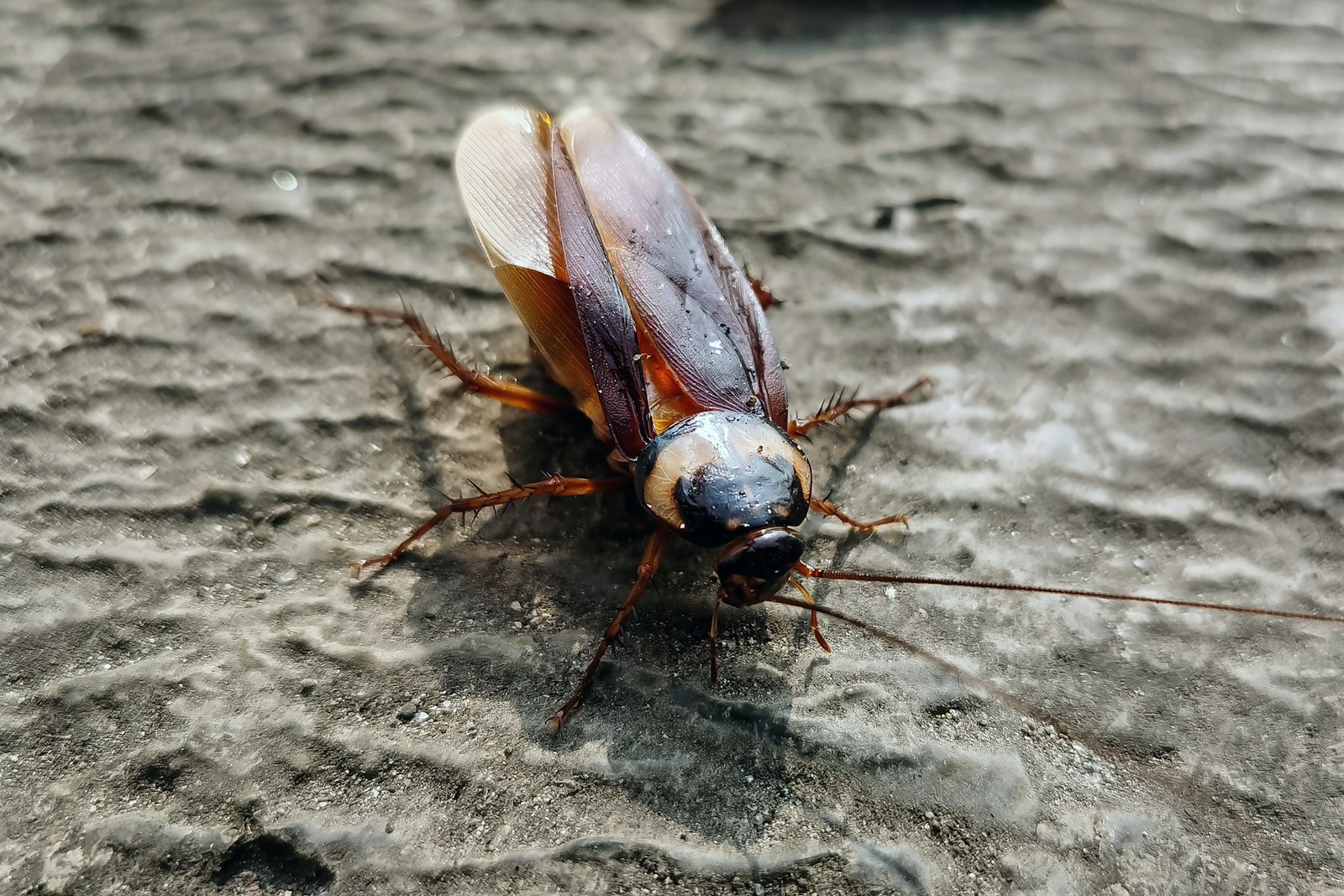
Cockroaches
Under sinks, behind appliances, cabinet corners, pipe penetrations.
Mice
Pantry shelves, garage corners, behind the fridge. Droppings mark the route.
Termites
Mud tubes on foundation walls, hollow sill plates, discarded wings.
Spiders
Corners, vents, window frames and stored boxes.
Also covered
House crickets, earwigs, silverfish, clothes moths, centipedes, millipedes.
Found the pest on this list? Say which one and which room; the provider decides the treatment.
Call (382) 587-7586
Where activity shows up
- Droppings along a wall, in a drawer, or under a sink.
- Gnaw marks on packaging or a chewed box corner.
- Mud tubes or soil packed against a foundation wall.
- Live insects once the kitchen light comes on.
- Shed wings on a window sill in warm weather.
What the visit covers
- Identify the pest and the actual source of activity.
- Treat harbourage areas, not only the visible trail.
- Point out entry gaps at pipes, vents, doors and foundation edges.
- Agree a follow-up window where a second visit is needed.
Pest control questions
Which pests are covered?
Ants, spiders, cockroaches, house crickets, mice, earwigs, silverfish, clothes moths, centipedes, millipedes and termites. What a local provider treats can vary by area.
Do cabinets have to be emptied?
Clear the shelf in the room being treated. Keep children and pets out of the area for the re-entry time the provider gives.
How many visits does it take?
Depends on the pest. Ant and cockroach work often includes a follow-up; termite treatment runs on its own schedule.
What should I ask about pets?
Ask which product is being used and what the re-entry time is. Instructions differ by treatment and by provider.